



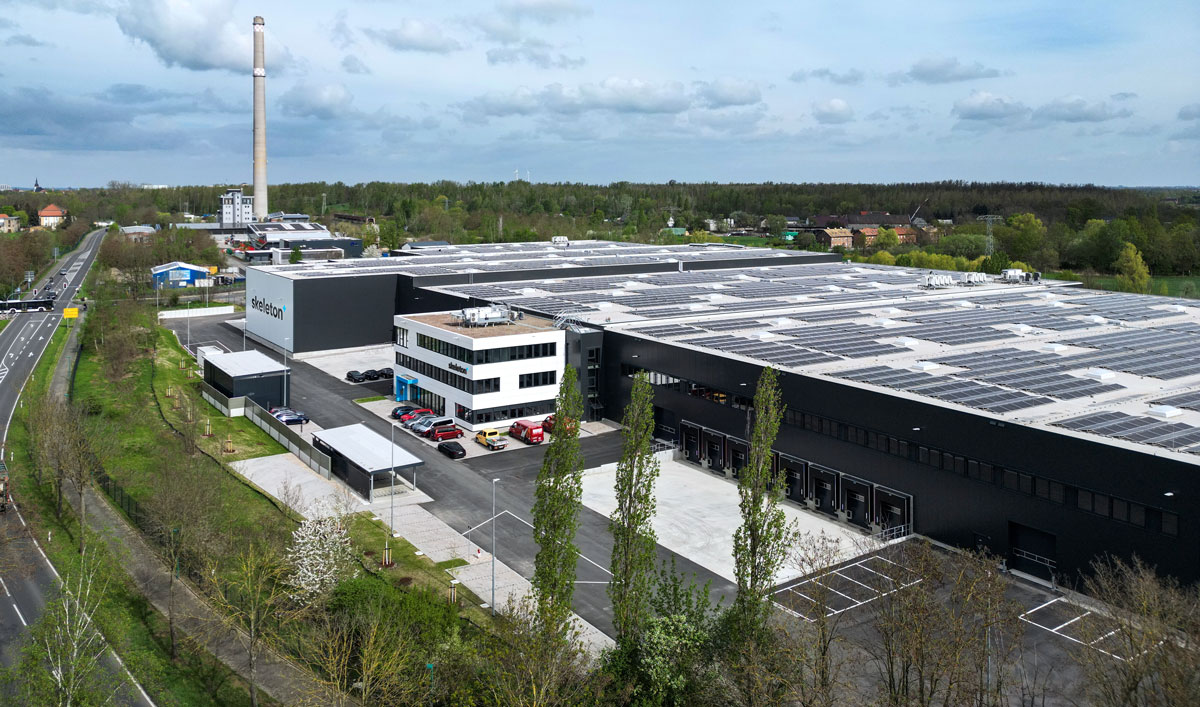
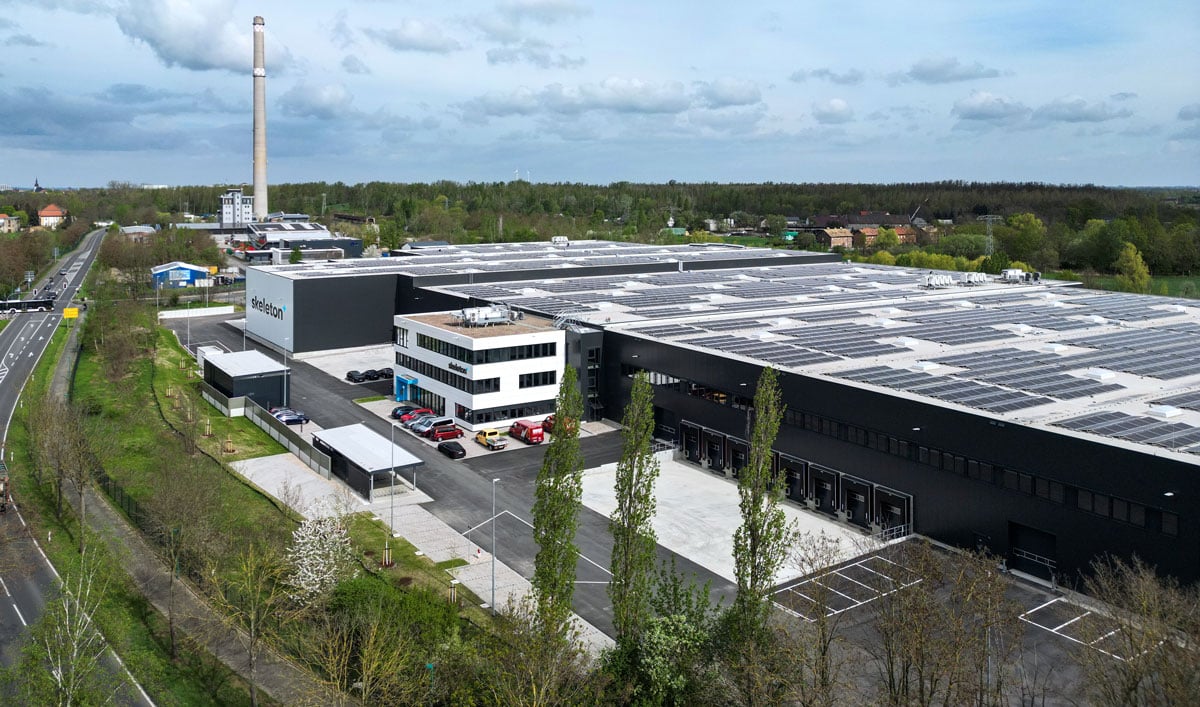
Leipzig, Germany - 28th November 2025: Skeleton Technologies has officially opened its €220 million SuperFactory in Markranstädt, near Leipzig. The facility is already delivering to Siemens, General Electric, and Hitachi Energy for European electrical grids, and to major US hyperscalers for AI infrastructure. With a fully European value chain, Skeleton’s supercapacitors use no lithium, cobalt, manganese, or other critical raw materials, and are based on the company’s patented Curved Graphene material.
In 2026, US hyperscalers are expected to invest USD 330 billion in AI infrastructure, while Europe will invest barely USD 10 billion. European investment must rise significantly but the continent faces two structural challenges. First, electricity bills will increase further as energy-hungry AI data centres drive up demand. Second, only a small share of the value of AI data centre infrastructure is manufactured in Europe.
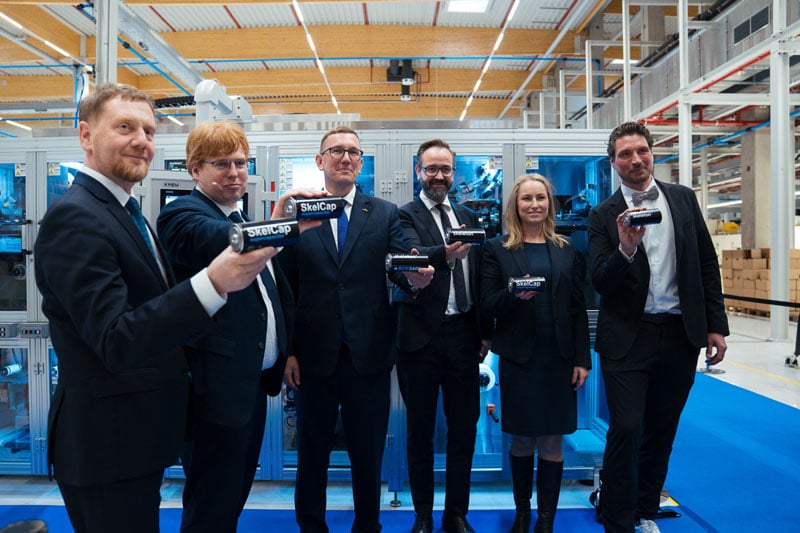
From left: Michael Kretschmer, Minister-President of Saxony; Taavi Madiberk, CEO of Skeleton Technologies; Kristen Michal, Prime Minister of Estonia; Sebastien Gemkow, State Minister of Science of Saxony; Nadine Stitterich, Mayor of Markranstädt; Dr. Linus Froböse, CTO of Skeleton Technologies.
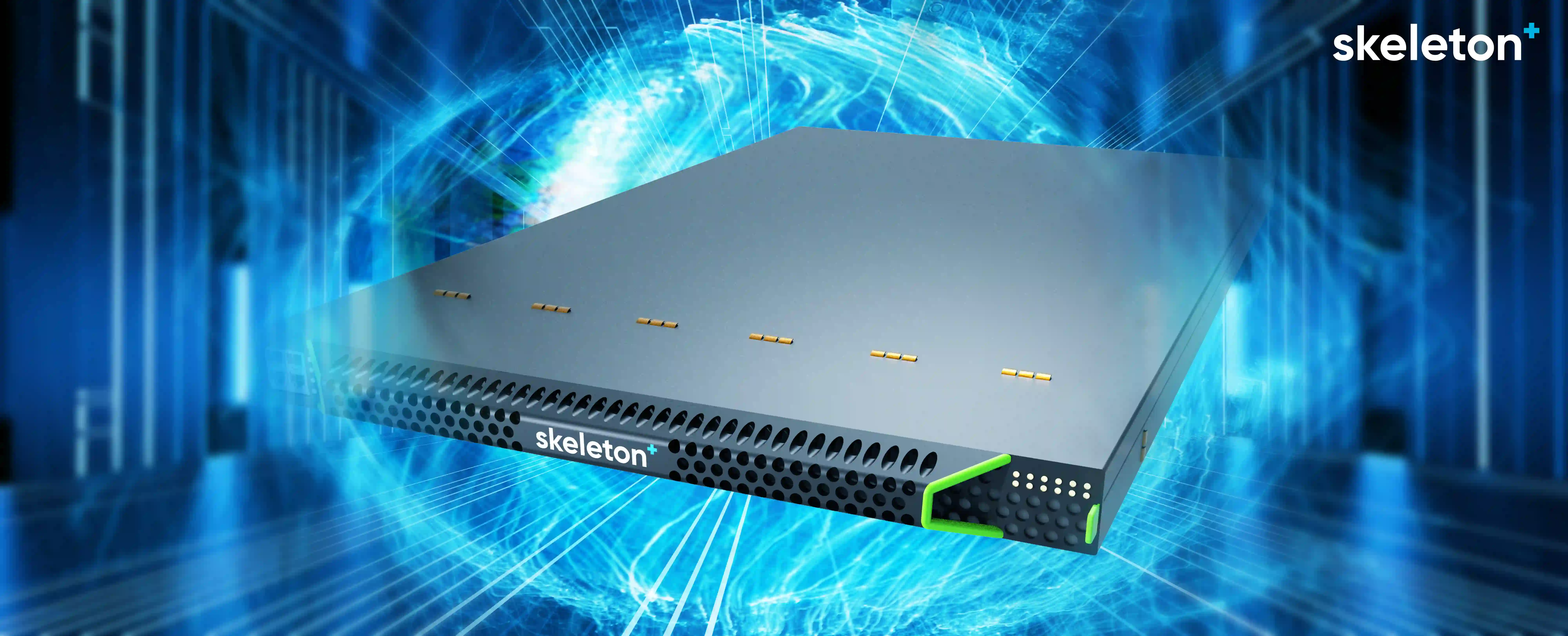
Skeleton Technologies’ CEO Taavi Madiberk said: “Skeleton’s Leipzig factory addresses both challenges. The plant manufactures our latest graphene-based supercapacitors, used in GrapheneGPU™, enabling AI data centres to cut total electricity consumption by 44% by smoothing power peaks and reducing stress on the electrical grid. At the same time, it keeps a core part of the value chain in Europe. By eliminating power peaks and overheating, GrapheneGPU™ unlocks 40% more computing power from the same investment in other GPUs.”
The opening of this factory helps support Europe’s electrical grids which are already under strain due to the rising share of renewable energy. The combination of fast-growing AI data centre demand and accelerating renewable deployment is creating a perfect storm, pushing grids to their limits and making fast-response technologies such as supercapacitors essential for energy security. The 2025 Iberian blackout highlighted the vulnerabilities of interconnected grids, and the European Commission estimates that €584 billion in investment will be needed by 2030 to modernise Europe’s electricity networks.
“A vital player in the European electrical grid and AI infrastructure ecosystem, Siemens continues to support Skeleton in the roles of investor, supplier as well as a potential go-to-market partner as they seek to address growing demand in the region,” commented Steffen Grosse, CEO Equity Finance at Siemens Financial Services.
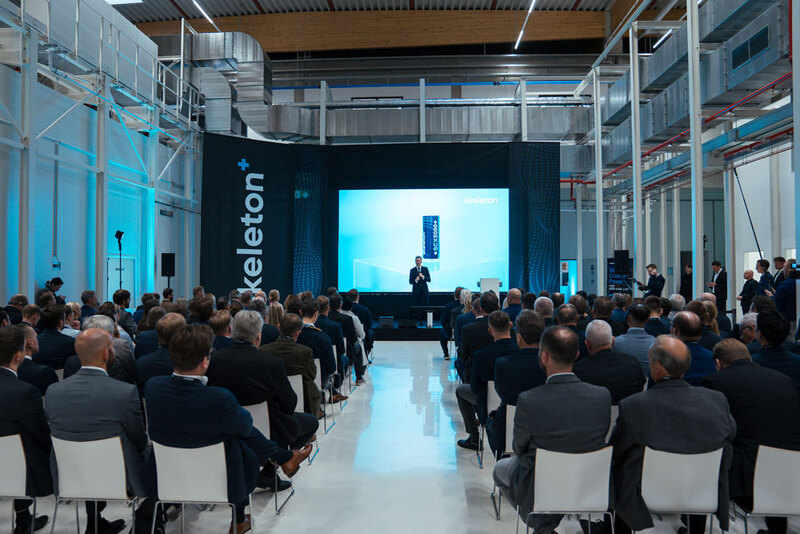
 From left: Taavi Madiberk, CEO of Skeleton Technologies; Dr. Linus Froböse, CTO of Skeleton Technologies; Kristen Michal, Prime Minister of Estonia; Nadine Stitterich, Mayor of Markranstädt
“When it comes to the electrical grid, our mission is simple: keep the lights on in Europe,” Madiberk added. “Skeleton’s systems are already used by German transmission operators as a last line of defence, a real safety belt for a grid increasingly powered by renewables.”
Skeleton is the only fully integrated European company in high-power energy storage, covering the entire value chain from raw materials to cells, modules, systems, and software. The company is built on deep tech and holds more than 70 patent families across the value chain.
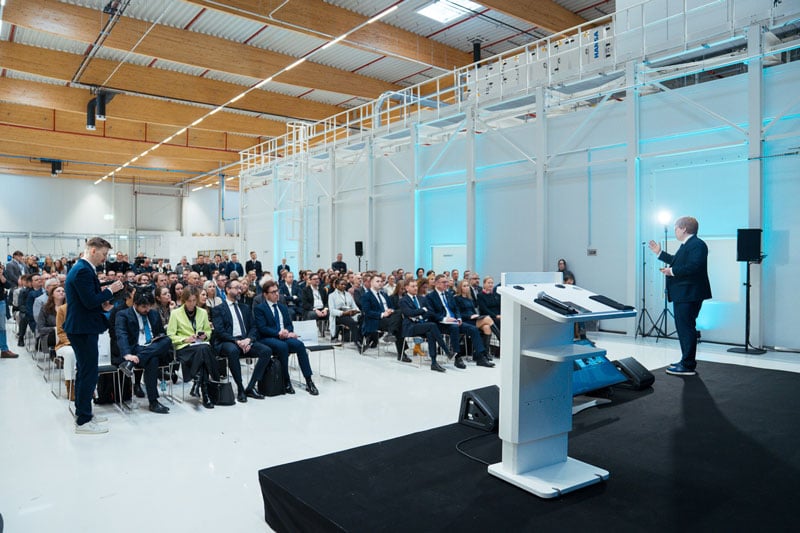
Minister-President of Saxony, Michael Kretschmer
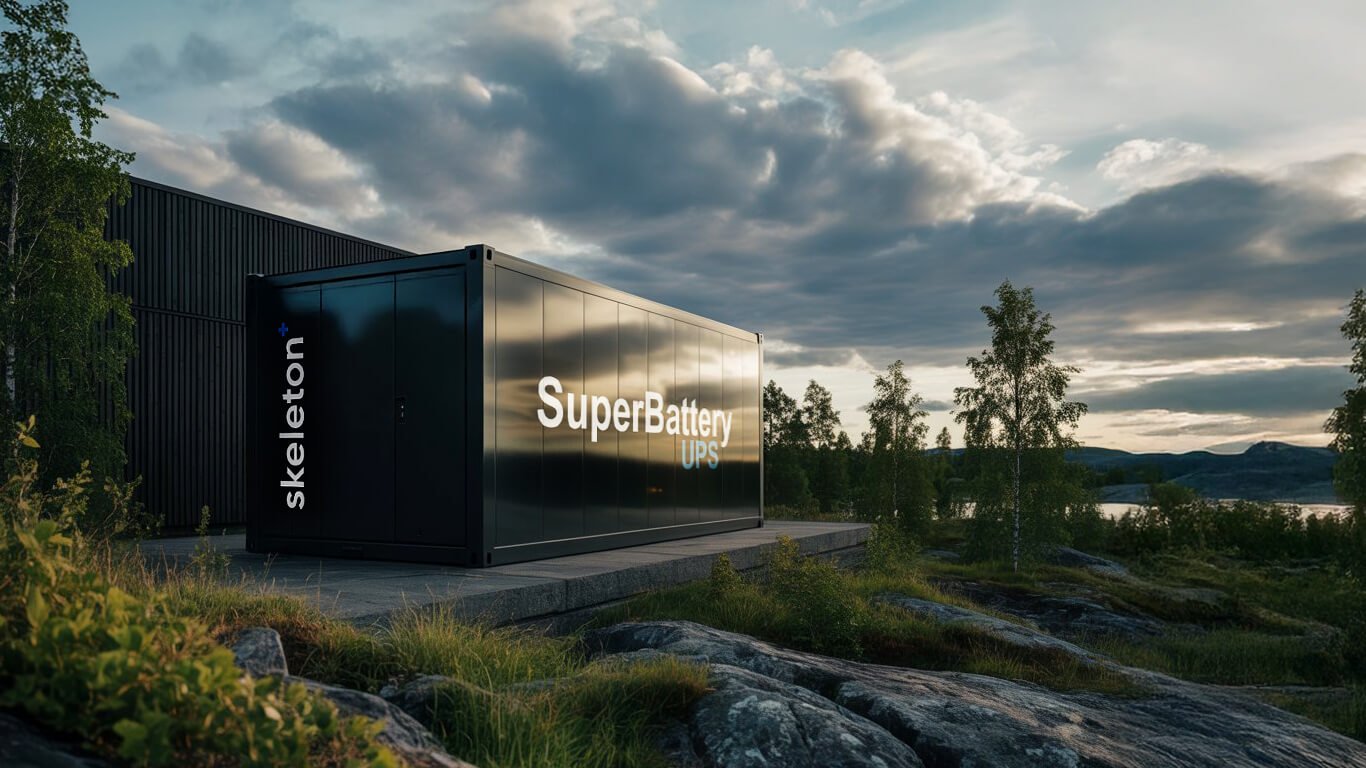
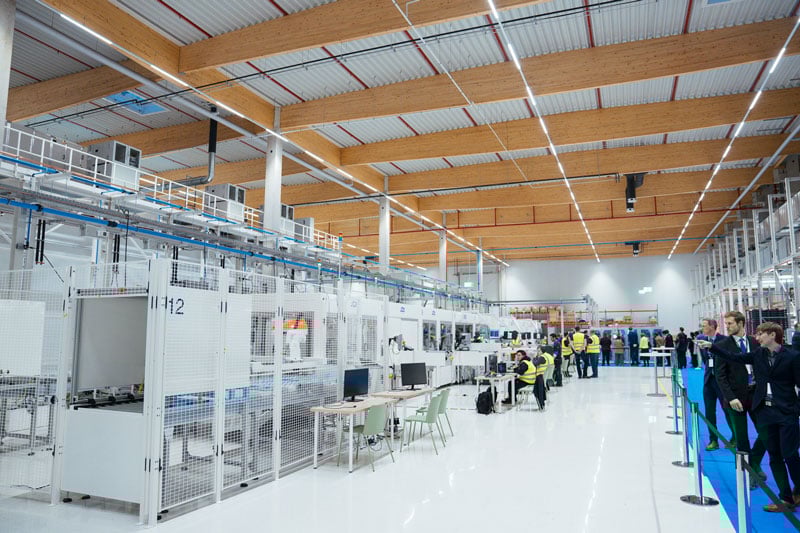
Opening the Leipzig supercapacitor facility follows the recent opening of the company's SuperBattery facility in Varkaus, Finland. The Leipzig SuperFactory will create 420 jobs in Saxony and is designed for an annual output of up to 12 million cells. Leveraging Siemens Xcelerator, a curated portfolio of services, software, and IoT-enabled hardware from Siemens, the new plant reinforces Europe’s advanced industrial base.